
- Home
- About Us
-
Practice Area
- Criminal Law
- Family Matter
- Property Matter
- NCLAT
- Aviation Matters
- Intellectual Property
- Consumer Forum
- RERA Matter
- Cyber Crime
- NDPS
- Tender Litigation Matters
- White Collar Crime
- Juvenile Matters
- POCSO
- Arbitration & Conciliation
- EOW Matter
- DCCI Matters
- DRI Matters
- Prevention of Money Laundering ( PMLA)
- Central Bureau of Investigation (CBI)
- Enforcement Directorate (ED)
- Our Team
- Gallery
- Blogs
- Contact Us
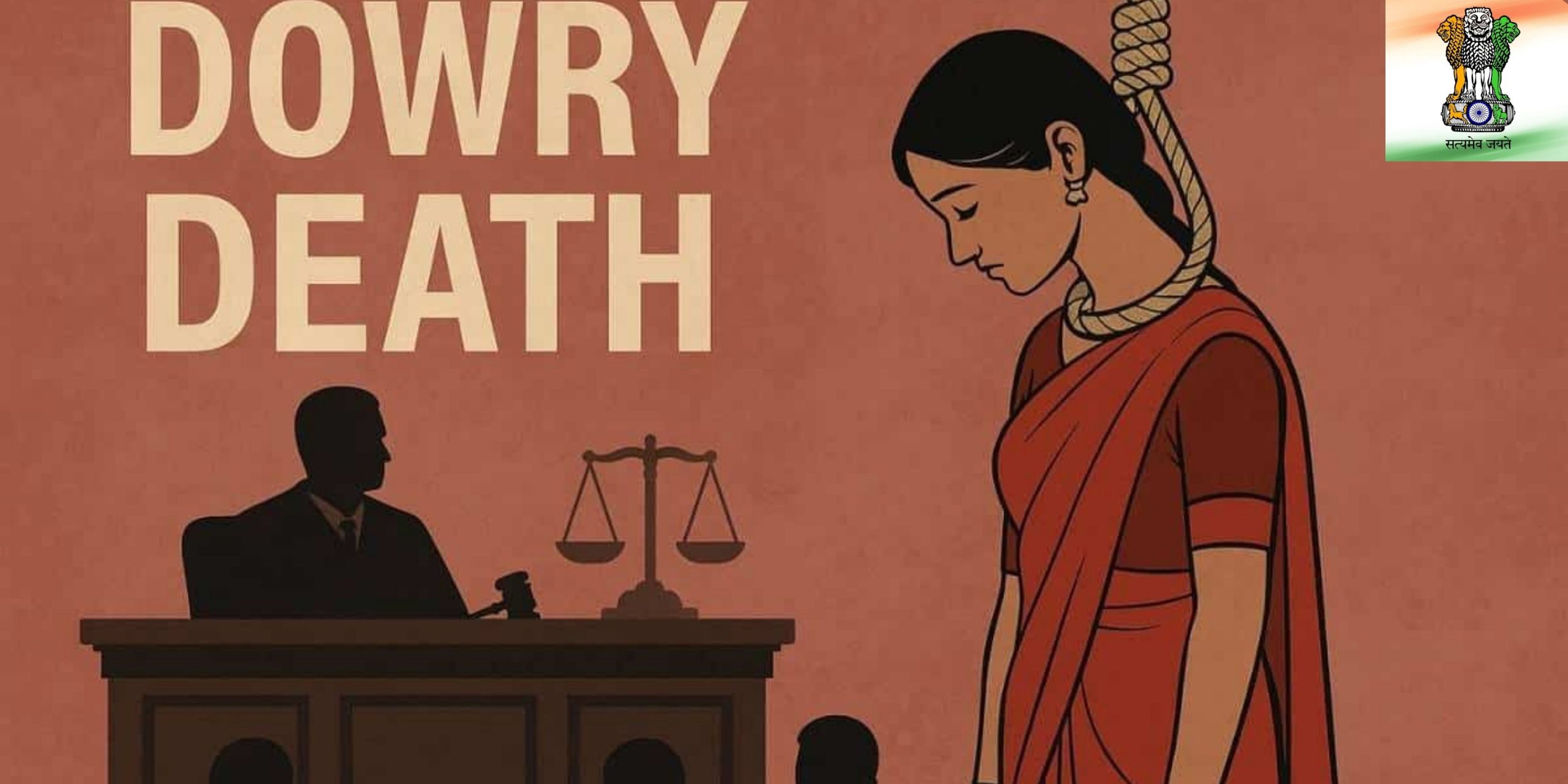
Legal Support in Dowry & Dowry Death Cases – Advocate Neha Gund
Dowry-related deaths are some of the most tragic and serious crimes in matrimonial law. Whether you are a grieving family seeking justice or someone falsely accused in a dowry death case, Advocate Neha Gund offers firm, compassionate, and strategic legal representation to protect your rights and pursue the truth.
Understanding Dowry Death under Indian Law
A dowry death occurs when a woman dies unnaturally within seven years of marriage, and it is established that she was subjected to cruelty or harassment in connection with dowry demands. Such cases are governed by:
Section 304B IPC – Dowry Death
Section 498A IPC – Cruelty by husband or in-laws
Dowry Prohibition Act, 1961
Presumption under Section 113B of the Indian Evidence Act
Dowry death is a non-bailable and cognizable offense, punishable by imprisonment of not less than 7 years, extending up to life imprisonment.
Legal Services for the Victim’s Family
Advocate Neha Gund helps families of the deceased woman navigate the legal process with dignity and determination.
Key Services:
Filing FIR and Pursuing Charges
Assisting in registering the FIR under appropriate sections and ensuring proper investigation.Monitoring Police Investigation
Ensuring timely collection of medical records, forensic reports, and witness statements.Court Representation
Representing the victim’s family in Sessions Court and High Court during prosecution.Filing Complaints with Women’s Commission
Engaging with human rights or women’s commissions where applicable.Legal Support in Allied Proceedings
Assistance with maintenance claims for children, custody, and property matters if required.
Defense Against False Allegations of Dowry Death
Given the gravity of dowry death charges, false accusations can destroy reputations and lives. Advocate Neha Gund provides robust legal defense for individuals wrongfully accused.
Defense-Side Legal Support:
Anticipatory & Regular Bail Applications
Securing protection from arrest and seeking bail from Sessions or High Court.Challenging Presumptions and Evidence
Disputing the prosecution’s reliance on legal presumptions under Section 113B of the Evidence Act.Quashing False FIRs
Filing petitions under Section 482 CrPC to quash baseless proceedings.Collection of Exculpatory Evidence
Gathering proof of innocence, such as medical records, communication logs, and witness testimonies.Cross-Examination & Trial Defense
Exposing contradictions in statements and ensuring due process is followed.